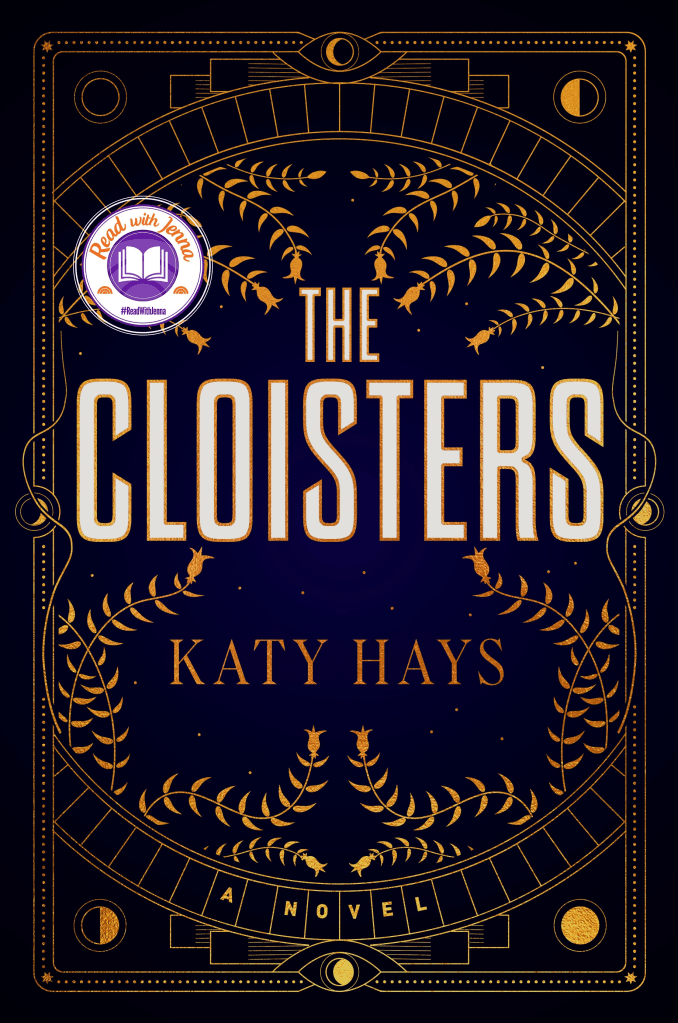
This book has three “this is you, Laurie,” going for it:
1. Medieval scholarship-I majored in Medieval history.
2. Tarot cards-I use them as well as oracle cards.
3. The Cloisters-A branch of the Metropolitan Museum of Art (New York City) and the only museum in the US exclusively dedicated to Medieval art; it is a favorite experience of my trips while in New York.
I so enjoyed this book and if I could choose a story that is so much “me” it would be this one-well, minus all the murdering of course!
Newly minted college graduate, Ann Stilwell expects to spend her summer working at the Metropolitan Museum of Art in New York City, but is assigned to The Cloisters, instead. There, she finds the curator and his assistant deep into research on medieval divinatory practices centering on the first use of the tarot as a predictor of the future, which entails finding the earliest deck of cards for this purpose.
But how do you find such a thing even if it exists, even if you seem to have found one or two cards that might be that old? What if the gardener of The Cloisters, who is trafficking in medieval potions made from plants in the public gardens that he grows clandestinely in hidden sheds, has his own agenda? And what if the search for this special tarot deck is made more complicated due to the personal trauma and tragedy suffered by each principal character?
One of the draws of this novel for me is the scholarship aspect, the historical and linguistic clues (Ann speaks several little known period languages and dialects) that lead the characters through Italian history by way of some great Italian families of the late Medieval and early Renaissance periods. I have no idea how accurate are the historical details Katy Hays lays out, but the point is to show the intrigue and cutthroat behavior between scholars who will do anything to be the first to make the discovery. The book is a mystery, a thriller, a whodunit draped in the gorgeous finery of one of the most beautiful museums of its kind. The topic is so obscure and it’s hard to imagine someone writing on it, but Hays totally pulls it off.
This is dark academics, er, dark museum studies?-at its finest.
 Classic Laurie